of Life
Episode 18 5:38
A City Banned Every Annoying Person. In 6 Months, Everyone Snapped.
Tomorrow morning, a walled district in your city legally bans 100% of annoying people. Pass a 500-point habit test, and loud chewers, lane-cutters, speakerphone talkers, and credit-stealing coworkers are barred at the gate. Crime drops to zero—yet six months later, at 3:00 a.m., patrol officers have to ram through your bolted steel door. Why?
Thai version: เมืองที่แบนคนน่ารำคาญ 100%... ทำไมผ่านไป 6 เดือน ทุกคนถึงสติแตก
Script
Tomorrow morning, your city opens District Nine, a walled zone that legally bans one hundred percent of annoying people. Pass a five-hundred-point habit test, and loud chewers, lane-cutters, speakerphone talkers, and credit-stealing coworkers are barred at the gate. Yet within six months, at three in the morning, patrol officers have to ram down your bolted front door. Why? For two weeks, District Nine feels like stepping out of a construction site into a quiet library. Trains glide in silence. Meetings end twelve minutes early because nobody repeats an obvious point just to sound smart. Crime hits zero. Car horns hit zero. By day thirty, the monthly dispatch report lands with a shock: violent crime is still zero, while neighbor-disturbance calls per resident just shattered the all-time city record.
To see how calm brains react when problems vanish, researchers ran seven lab studies. Volunteers sorted hundreds of colored dots, clicking blue or purple. At first, half were blue. When blue dots dropped to six percent, people started calling borderline purple dots blue. Researchers ran it again, warning people upfront and paying cash bonuses for staying consistent. Now guess. Did warnings and cold cash cure that distortion, cut it in half, or barely dent it?
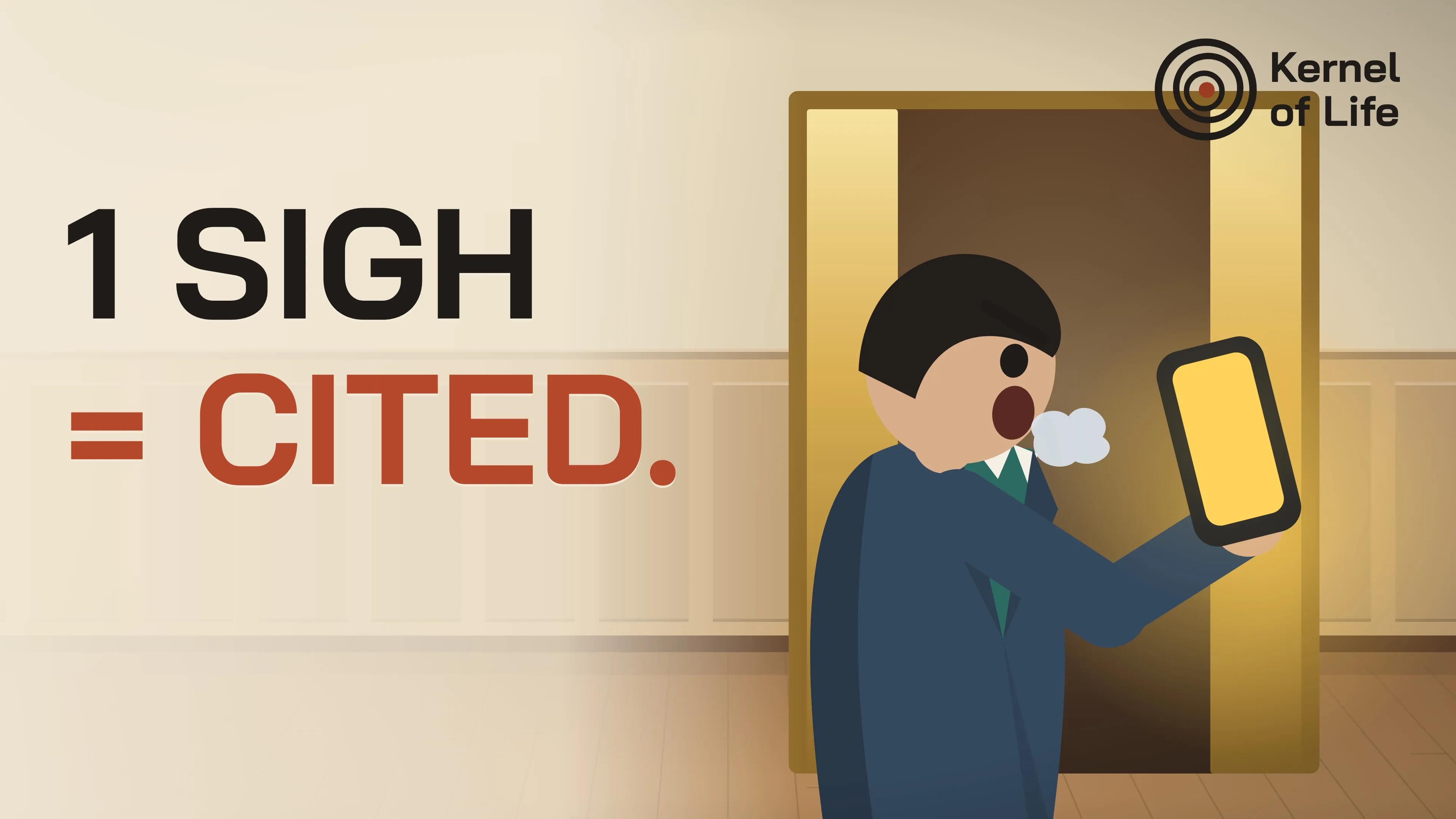
Barely at all. Warned and paid cash, adults shifted their line just as hard as unwarned strangers. Worse still, in companion tests on faces and research proposals, cutting out angry faces made neutral faces look threatening, and cutting out shady proposals made harmless ones look unethical. Your brain never judges irritation with a fixed ruler; it grades every moment against the worst thing you faced this week. Erase ninety percent of offenses, and tiny slips feel like deliberate disrespect. District Nine votes in a five-kilometer-an-hour sidewalk minimum, ticketing a woman strolling at four point seven. In the cafe downstairs, someone files four pages over two spoon clinks instead of one, and a barista is investigated for an aggressively cheerful good morning. When hardliners partition off stricter District Nine-A, you nod in approval, until Thursday, when a coworker’s ordinary ten-second question grates on your nerves. You exhale half a second too long before saying sure. Three steps away, they tap the civility app. At the elevator, your phone pings yellow: first-degree premeditated sighing.
That yellow ticket pushes you to work from home, pay steep rent, and move to the top floor of a soundproof tower in District Nine-A: one person per suite, a windowless bedroom, triple-layered walls, and a contactless drop-box so you never see another face. For forty-eight hours, it is pure relief. Nobody dawdles in your hall. Nobody chews, clicks a pen, or clears a throat. Barefoot with warm tea above the toy-sized city, you smile: solitude worked. By night three, the sealed silence rings in your ears. At midnight, the fridge clicks off like a wrench hitting pipe, so you yank the cord. Night four, you jolt awake in the dark windowless bedroom sure someone muttered behind the headboard, yet hear nothing. Furious at the neighbor next door, you turn on the civility app’s audio logger on your nightstand before going back to sleep.
Night five, three in the morning. An annoyed grunt startles you awake. Seeing a red audio spike on your phone, you tap send without listening and hit the emergency intercom, threatening to break down the neighbor’s door yourself unless patrol drags the creep out now. Checking the floor plan and audio clip, dispatch rushes three officers to your steel door to stop an active meltdown. Hearing pounding out front, you yell back from inside—wrong room, the jerk is next door—and refuse to unbolt the latch, forcing patrol to ram your door open. The lead officer holds up his tablet: your windowless bedroom sits flush against the outer wall. Behind your headboard is open night air, with zero adjacent units. Then he plays the twenty-second clip you just sent. First comes your own nasal breathing whistling in sleep, then a dry swallow. Last comes your half-asleep voice muttering—why repeat it—before an annoyed sigh into the pillow. Your face burns as you recall what crossed your mind: a dead joke at dinner in two thousand nineteen that nobody laughed at, so you repeated it louder thinking nobody heard. Lock every annoying stranger outside the gate, and the last person you call patrol to evict is yourself.
By that weekend, you break your lease, return your District Nine pass, and step into a noisy street market. Hot broth steam hits your face, a scooter roars past, and the next table laughs loud on plastic stools. A tired vendor wipes your table with a damp rag and sets down wide flat rice noodles instead of the thin ones you ordered. Six months ago, you would have let out that exact half-second sigh. Tonight, watching steam drift past the streetlights, you pick up your chopsticks and let months of tension drop from your shoulders, relieved to live in a world messy enough that you no longer have to be your own enemy. That was just erasing irritation. Now see what happens when we tell a loving AI to end all human pain on Earth, right here.